
The Foundation of My Work
From Crisis Response in Chicago to Nervous System–Informed Leadership
Long before I was working with executive teams, I was driving across Chicago in the middle of the night as a crisis responder.
I walked into families’ hardest moments with no script and no preparation. What mattered most was whether I could regulate myself enough to help someone else regain clarity.
I saw clearly that when someone is overwhelmed, you cannot reason with them. Logic disappears when the nervous system feels threatened. No amount of advice works until a person feels safe enough in their body to access clear thinking again.

Years later, after building Empower Family Therapy into a group practice with a team of therapists and clinicians and expanding my coaching work with executive leaders, I began to see the same nervous system patterns surface inside organizations when the stakes were high.
The leaders I worked with were capable and intelligent, yet under pressure they would lose access to the very clarity they relied on.
I could see how quickly reaction replaced reflection when stress took over.
At the same time, I was completing my Master’s degree in Marriage and Family Therapy after graduating Magna Cum Laude from the University of Florida, where I studied psychology and human systems. I was drawn to understanding why capable people shut down, escalate, or over-function under pressure.

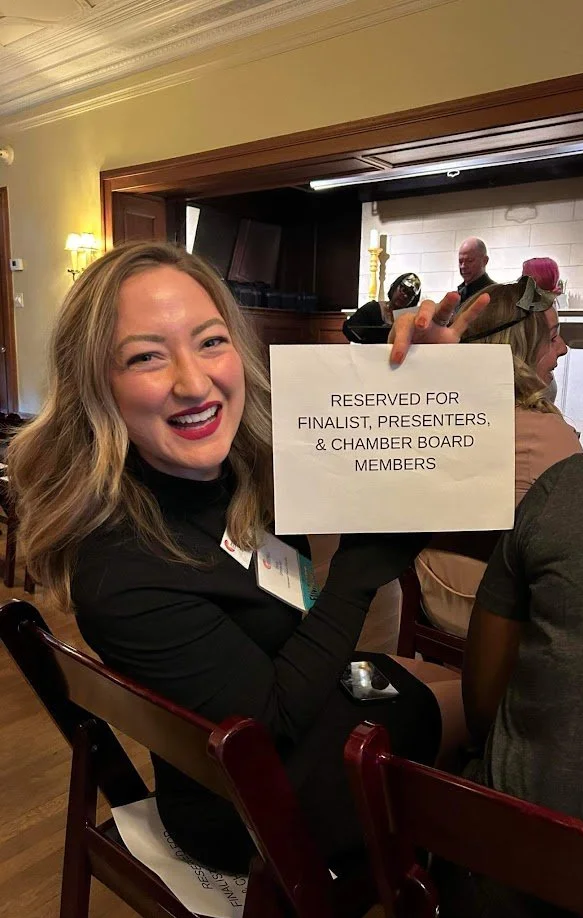
Today, I partner with HR leaders, Chief People Officers, and Learning and Development teams inside growing organizations to strengthen self-regulation in leadership, because when regulation improves at the top, its impact carries through the entire system.
From that foundation, we examine how leadership behaviors influence retention, engagement, psychological safety, and culture. I equip executives and people leaders with practical tools for conflict, feedback, and emotionally charged conversations so they can stay connected to clear thinking when pressure rises.
As leaders strengthen their capacity for self-regulation, performance conversations become more productive, trust becomes more consistent, and burnout tied to emotional reactivity begins to decrease. Over time, this stabilizes the organization from the inside out.